
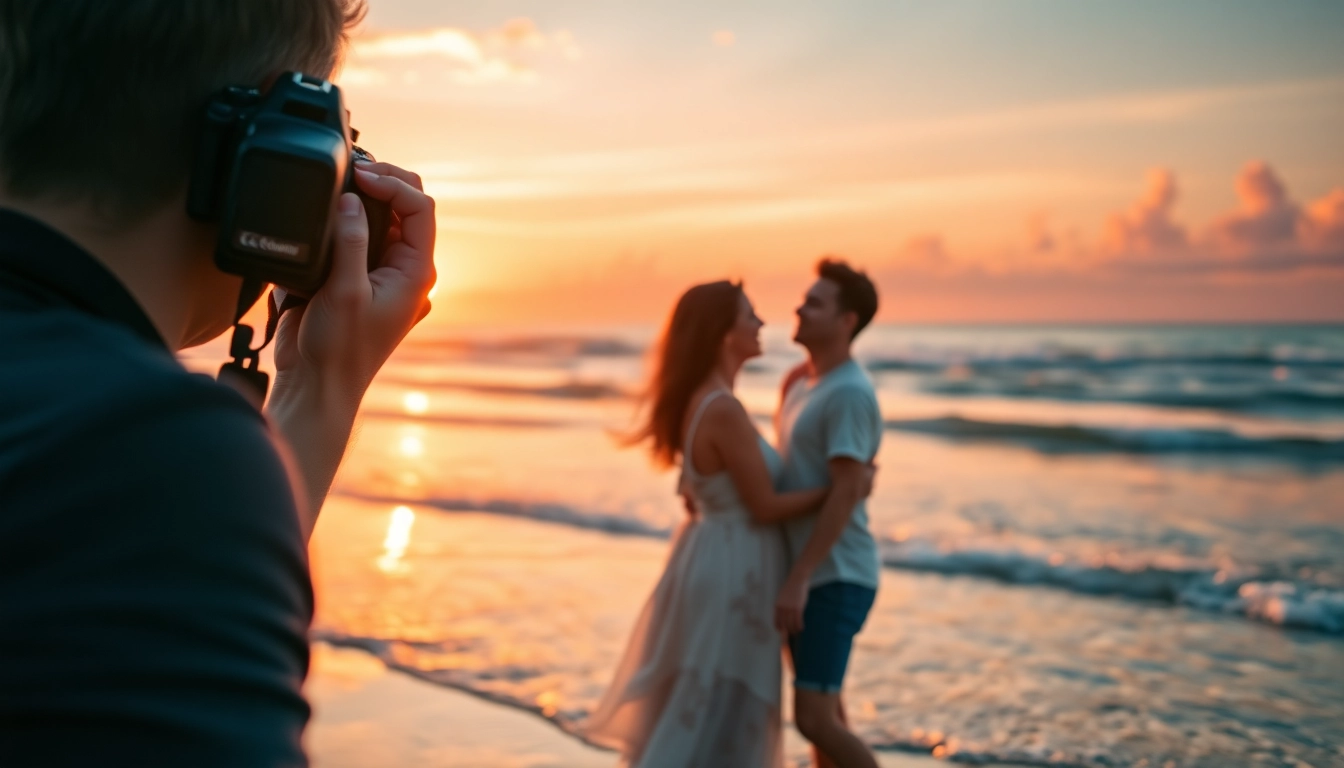
Understanding the Role of a Destination Photographer
What is a Destination Photographer?
A destination photographer is a professional who specializes in capturing significant life events at various unique locations away from the client’s home area. This could range from destination weddings to family vacations, engagements, or even travel photography that tells a story. The appeal of hiring a Destination photographer lies in their ability to combine storytelling with impressive landscape backdrops, creating images that resonate for years to come.
Benefits of Hiring a Destination Photographer
Opting for a destination photographer offers numerous advantages:
- Expertise in Various Locations: These photographers are often familiar with a diverse range of locations and can help you find picturesque settings that make your photos unforgettable.
- Unique Creative Perspectives: With experience in many environments, destination photographers apply unique artistic approaches that enhance the overall quality of your photos.
- Stress Reduction: Having a photographer who understands the local culture and logistics means less worry for you, allowing you to focus on enjoying your experience.
- Comprehensive Packages: Many destination photographers offer tailored packages that can include pre-session consultations, scouting locations, and tailored timelines, all of which enhance the experience.
- Lasting Memories: Hiring a professional ensures high-quality, breathtaking photos that capture the essence of your special moment, turning them into keepsakes you will cherish forever.
Common Types of Destination Photography
Destination photography can encompass a variety of styles and themes, including but not limited to:
- Weddings: Destination weddings are a popular choice, often taking place in idyllic settings such as beaches, mountains, or exotic cities.
- Family Vacations: Families often hire photographers to document vacations, capturing moments that celebrate their journey together.
- Couples and Engagements: Many couples opt for destination shoots for their engagement photography to set a romantic scene, often in visually stunning locations.
- Travel Photography: Capturing the essence of travel and exploration, focusing on landscapes, culture, and experiences.
- Event Documentation: Other significant events, such as anniversaries or milestone celebrations, can also benefit from the expertise of a destination photographer.
How to Select Your Ideal Destination Photographer
Researching Potential Photographers
The first step in selecting your ideal destination photographer involves thorough research. Start by browsing photography portfolios online, focusing on those that resonate with your vision and style. Utilize social media platforms, photography websites, and even forums or destination wedding networks to gather potential candidates. Make sure to check reviews and testimonials from previous clients to understand their experiences.
Evaluating Portfolios
A photogenic style fits your personality and vision is crucial. As you evaluate portfolios, consider the following:
- Consistency: Look for a consistent style in lighting, composition, and editing.
- Diversity: A good portfolio will showcase a variety of shots including candid, posed, and interactions that reflect genuine emotions and moments.
- Settings and Locations: Assess whether the photographer has experience shooting in the destinations you are considering and how effectively they use those environments.
Understanding Pricing and Packages
Destination photography can vary significantly in cost. It’s essential to understand what is included in the pricing. Look for packages that encompass:
- Pre-Session Consultation: This is important to discuss your vision, preferred locations, and specific requirements.
- Travel Costs: Ensure that you understand whether travel expenses are included in the quoted price.
- Number of Hours: Determine how many hours of coverage you will receive and if additional hours can be purchased.
- Post-Production: Clarify the editing process and the number of final images you can expect to receive.
Preparing for Your Photoshoot with a Destination Photographer
Choosing the Perfect Location
Choosing a location is one of the most crucial elements in planning your photoshoot. Your selected spot should resonate with your personal story and style. Factors to consider include:
- Personal Significance: Locations that have personal meaning can make your photos more special.
- Scenic Beauty: Stunning vistas can enhance your photos, appealing to various aesthetics.
- Accessibility: Ensure that your chosen destination is easily accessible for all participants, including any potential mobility issues.
- Time of Day: Consider how the lighting changes at different times of day and how this might affect your photos.
What to Wear: Styling Tips
Your outfit can significantly impact the overall look of your photographs. Here are some styling tips to keep in mind:
- Complement the Environment: Choose colors and styles that complement the backdrop of your shoot.
- Choose Comfort: Make sure your clothing is comfortable, allowing you the freedom to move naturally.
- Coordinate, Don’t Match: If shooting with a group, coordinating colors without matching exactly can create a visually appealing dynamic.
- Layering: Using layers can add depth to your photographs, allowing for varied looks and options throughout the shoot.
Creating a Photoshoot Timeline
A well-structured timeline can lead to a successful photoshoot. Consider the following elements when drafting your schedule:
- Pre-Session Briefing: Plan a time to meet with your photographer ahead of the shoot to discuss details.
- Travel Time: Factor in travel time to the location, and any ideal timing for the shoot based on natural lighting.
- Breaks: Plan for short breaks, especially for longer shoots, to maintain energy and enthusiasm.
Making the Most of Your Destination Photography Experience
Communicating Your Vision
Clear communication with your photographer is essential to achieving your desired results. Share your vision through:
- Inspiration Boards: Create a visual board that includes examples of styles you admire.
- Detailed Discussions: Talk about key shots you want, such as certain poses or moments besides candid ones.
- Sharing Preferences: Communicate any preferences regarding styles (e.g., candid, posed, artistic).
Involving Family and Friends
If your photoshoot includes family or friends, make sure to involve them in the planning process. This creates a sense of anticipation and can lead to more authentic interactions during the shoot. You might also consider:
- Group Dynamics: Engage everyone in group exercises that encourage interaction and laughter.
- Contingency Plans: Prepare for unexpected events (e.g., change in weather) by having alternate plans or locations ready.
Tips for Natural Poses and Expressions
Getting comfortable in front of the camera is critical for capturing natural expressions. Here are some tips to help:
- Movement: Engage in activities like walking or playing to create fun, candid moments.
- Compliments and Humor: Use humor and offer genuine compliments to help everyone relax.
- Practice at Home: Practice various poses at home or through mirror work to figure out angles that feel natural.
Final Steps: Post-Photoshoot Essentials
Understanding the Editing Process
Post-photoshoot, the editing process plays a vital role in the final outcome. It typically involves:
- Selection: The photographer will sift through all taken images to select the best shots for final editing.
- Enhancements: Color correction and photo retouching may be applied to ensure high quality.
- Client Review: Depending on the photographer, you may have the opportunity to review selected images before final delivery.
How to Access Your Photographs
Photographs are typically shared in various formats, including online galleries, USB drives, or downloads. Discuss the preferred method with your photographer, and ensure you understand:
- Usage Rights: Familiarize yourself with the rights associated with the images (e.g., personal use, promotional usage).
- Backup Options: It’s advisable to keep backups of your photographs in multiple locations for safekeeping.
Sharing Your Photography with Loved Ones
After receiving your photographs, you will want to share them with family and friends. Consider these methods:
- Online Galleries: Share accessible online galleries where everyone can view and download images.
- Social Media: Post selected images on social accounts if your photographer allows it, tagging them when possible.
- Prints and Albums: Consider printing a few images or creating an album to share physical copies with loved ones.
Frequently Asked Questions
What should I look for when hiring a destination photographer?
Look for experience, style consistency, customer reviews, and familiarity with your chosen destination.
How much does a destination photographer typically cost?
Costs can vary widely, but average packages range from a few hundred to several thousand dollars depending on services.
How far in advance should I book a destination photographer?
It’s best to book at least 6-12 months in advance, especially for popular destinations and peak seasons.
Can I customize my photography package?
Most photographers offer customizable packages to suit your specific needs and preferences, including additional hours or special features.
What if the weather is bad on the day of the shoot?
Discuss contingency plans with your photographer. They might suggest alternate locations or rescheduling if possible.