
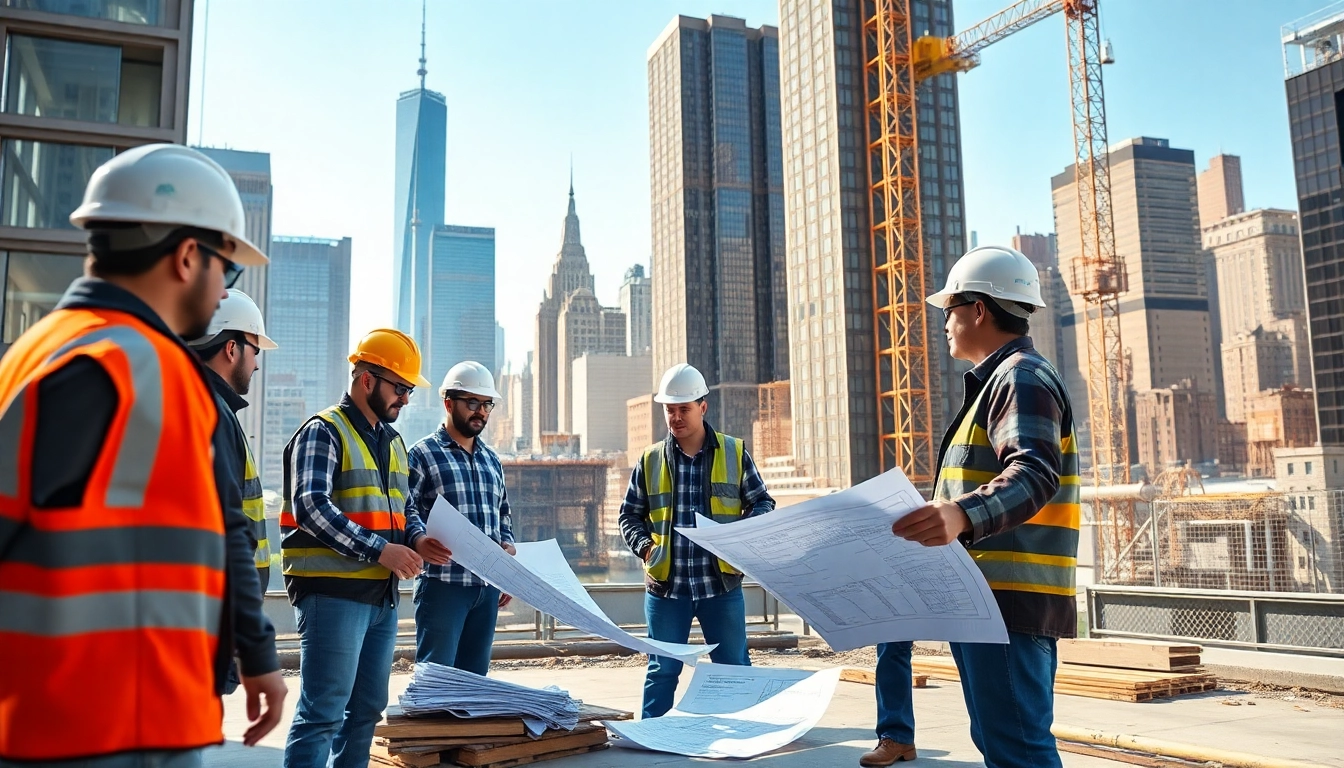
Understanding the Role of Manhattan Commercial General Contractor
The role of a Manhattan Commercial General Contractor is crucial in the bustling construction landscape of New York City. Whether constructing towering skyscrapers or modern office spaces, these professionals are at the forefront, ensuring projects are completed efficiently, safely, and to the highest standards. Their extensive expertise not only encompasses technical skills in construction but also a profound understanding of project management, client relations, and local regulations. As urban development continually evolves, these contractors play a pivotal role in shaping the cityscape.
What Does a Manhattan Commercial General Contractor Do?
A Manhattan Commercial General Contractor acts as a project manager, overseeing all facets of a construction project. They are responsible for coordinating labor, materials, and equipment to ensure that all work is completed on time and within budget. The contractor serves as the main point of communication for the client, subcontractors, and suppliers, ensuring all parties are aligned with the project goals.
Key Responsibilities and Skills
The responsibilities of a Manhattan Commercial General Contractor are extensive and varied. Key duties include:
- Project Planning: Developing detailed plans outlining timelines, sequences, and safety protocols.
- Budget Management: Creating comprehensive budgets and managing expenditures to reduce costs while maintaining quality.
- Hiring and Supervision: Selecting subcontractors and labor, providing oversight and ensuring quality work through the construction process.
- Regulatory Compliance: Ensuring all work meets local building codes and safety standards.
- Client Communication: Regularly updating clients on progress and addressing any concerns or changes to the scope of work.
To successfully fulfill these responsibilities, a contractor must possess strong leadership and communication skills, along with a deep understanding of construction methodologies and materials. The ability to solve problems quickly and effectively is also essential, given the dynamic nature of building projects.
Importance in Construction Projects
The role of the Manhattan Commercial General Contractor is integral to the success of construction projects. They are responsible for aligning all aspects of a project from inception to completion, ensuring that objectives are met and stakeholder expectations are exceeded. Their involvement not only streamlines the building process but also mitigates risks, ensuring compliance with regulations and reducing the likelihood of costly errors or delays.
Choosing the Right Manhattan Commercial General Contractor
Selecting the right contractor can significantly influence the outcome of your project. A thorough evaluation of potential candidates is essential to ensure they have the required experience and capabilities.
Factors to Consider When Selecting
When choosing a Manhattan Commercial General Contractor, consider the following:
- Experience: Look for contractors with a proven track record in similar projects. Their familiarity with the type of construction you require can be invaluable.
- Reputation: Check references and reviews from previous clients to assess the contractor’s reliability, quality of work, and professionalism.
- Certifications: Ensure that they hold the necessary licenses and insurance, which protects you from unforeseen liabilities.
- Communication Style: Evaluate their responsiveness and clarity in communication during the initial interactions, as this reflects how they will operate throughout the project.
Checking Qualifications and Experience
Investigating a contractor’s qualifications is paramount. Look for:
- Education: Degrees in construction management, engineering, or related fields can provide a solid foundation in technical skills.
- Work History: A substantial portfolio showcasing previous projects similar in scope and size demonstrates capability and experience.
- Client Testimonials: Positive feedback and referrals from past clients are strong indicators of reliability and quality workmanship.
Understanding Contract Agreements
Before entering into an agreement, ensure you thoroughly understand the contract's terms. Key elements to scrutinize include:
- Scope of Work: Clearly defined expectations for what is to be delivered.
- Payment Terms: Understanding how and when payments are made and what triggers payment releases.
- Change Orders: The procedure for handling changes in project scope and associated costs.
- Timeline: Set milestones for project completion to avoid delays.
Benefits of Hiring a Manhattan Commercial General Contractor
Engaging a Manhattan Commercial General Contractor offers numerous advantages that contribute to the success of construction projects.
Cost Efficiency and Budget Management
By leveraging industry knowledge and established relationships with suppliers and subcontractors, a skilled contractor can secure competitive pricing for materials and labor. This expertise helps maintain the integrity of the budget, allowing for better financial planning and resource allocation throughout the project lifespan.
Time Management and Project Scheduling
A professional contractor expertly manages project timelines, sequencing tasks to streamline workflow and mitigate potential downtime. Their ability to foresee challenges and adjust schedules accordingly is vital, particularly in a city as dynamic and congested as Manhattan.
Risk Management and Problem-Solving
General contractors are adept at identifying potential risks and implementing strategies to mitigate them. Their experience with local regulations and building codes minimizes compliance issues that could cause project delays. Moreover, their problem-solving skills enable them to address unforeseen challenges efficiently to keep projects on track.
Common Challenges Faced by Manhattan Commercial General Contractors
While contractors bring significant value to projects, they also encounter challenges inherent to the urban construction environment.
Managing Projects in Urban Environments
Construction in Manhattan presents unique obstacles, such as limited space, logistical challenges for transportation, and disruptions to the public. A skilled general contractor is familiar with the nuances of urban building practices and can navigate these complexities effectively.
Building Codes and Regulations Compliance
New York City has rigorous building codes and zoning regulations that contractors must comply with. The knowledge of these requirements is crucial for avoiding fines, delays, and the potential for project cancellations. A reputable contractor stays updated on code changes to ensure ongoing compliance.
Handling Subcontractor Relationships
Managing subcontractor relationships can be a pivotal aspect of a contractor's role. Selecting reliable subcontractors and maintaining clear communication is essential for quality control and minimizing conflict. Effective general contractors foster a collaborative environment that enhances productivity and quality of work.
Measuring Success: Performance Metrics for Contracting Projects
Measuring the success of construction projects involves several performance metrics that help assess the contractor's effectiveness and project outcomes.
Project Completion Timelines
Timeliness is a critical metric for evaluating project success. A successful contractor will meet established deadlines, contributing to the overall satisfaction of the client and stakeholders. Continuous progress tracking and adjusting schedules as needed are essential for achieving timely completion.
Quality Assurance and Control Metrics
The quality of work is paramount in construction. Employing quality assurance measures such as regular inspections and compliance checks ensures that the project meets all standards and client expectations. Following a structured quality control process can prevent costly remediation later.
Client Satisfaction and Feedback
Ultimately, client satisfaction is a critical indicator of success. Gathering feedback through surveys and direct communication allows for continuous improvement and demonstrates a contractor's commitment to excellence. Satisfied clients are also more likely to refer future business, enhancing the contractor's reputation.
Frequently Asked Questions
What is a Manhattan Commercial General Contractor?
A Manhattan Commercial General Contractor oversees construction projects, managing resources, timelines, and budgets to ensure successful project completion.
How do I choose the right general contractor?
Consider factors such as experience, reputation, qualifications, and communication style while assessing potential contractors for your project.
What are the benefits of hiring a general contractor?
Benefits include cost-efficiency, effective project management, risk management, and access to a network of skilled subcontractors and suppliers.
What challenges do general contractors face in Manhattan?
Common challenges include urban logistical issues, strict building codes, and managing subcontractor relationships amid high-demand environments.
How is success measured in construction projects?
Success is measured through key performance metrics like project timelines, quality control measures, and client satisfaction feedback.