
- Understanding the Importance of Construction Safety Programs
- Key Components of Effective Construction Safety Programs
- Implementing Construction Safety Programs in Your Organization
- Measuring the Success of Construction Safety Programs
- Common Challenges and Solutions in Construction Safety Programs
- FAQs
Understanding the Importance of Construction Safety Programs
In the construction industry, maintaining a safe work environment is paramount. The implementation of construction safety programs plays a crucial role in ensuring that safety becomes a priority for all stakeholders. These programs not only help in mitigating risks but also contribute to an organization’s overall success by enhancing productivity and adherence to regulations.
Defining Construction Safety Programs
Construction safety programs are structured policies and procedures designed to ensure the health and safety of employees on a construction site. These comprehensive programs encompass training initiatives, safety protocols, risk assessments, and incident reporting mechanisms. The primary goal is to create a systematic approach to identifying and mitigating hazards associated with construction activities.
Impact on Worker Health and Safety
The direct impact of construction safety programs on worker health cannot be overstated. Effective programs significantly reduce the incidence of workplace injuries and fatalities. Statistics show that organizations with structured safety programs experience fewer workplace accidents, which translates to lower medical costs, reduced workers’ compensation claims, and less downtime due to injuries.
Legal and Financial Benefits
A robust construction safety program also has legal implications that can protect companies from lawsuits and regulatory fines. Many jurisdictions mandate safety compliance, and failure to adhere to these regulations can result in heavy penalties. By investing in safety programs, businesses not only comply with the law but also save on costs associated with accidents, insurance premiums, and potential legal fees.
Key Components of Effective Construction Safety Programs
Risk Assessment Strategies
Risk assessment is a critical element of any effective construction safety program. This process involves identifying potential hazards specific to each project and developing strategies to mitigate these risks. Conducting regular site inspections and utilizing checklists allows safety managers to evaluate conditions and prioritize actions that reduce risk. A proactive approach not only addresses existing hazards but anticipates and prevents future ones.
Training and Education Initiatives
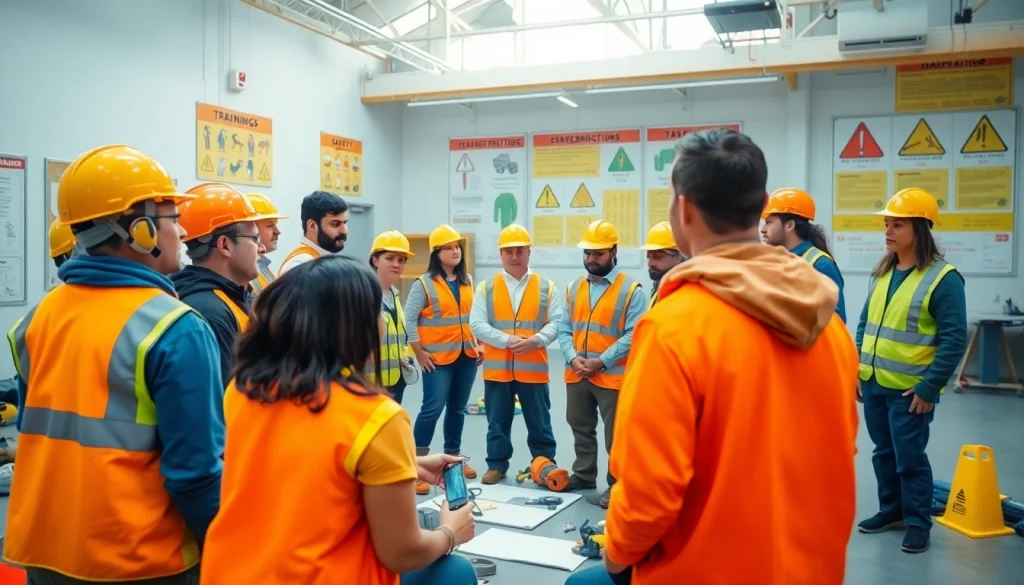
Training is an essential aspect of construction safety programs. Employees need to understand safety protocols thoroughly and be educated about the risks associated with their specific jobs. Regular training sessions, hands-on demonstrations, and refresher courses are vital. Organizations can also leverage technology through online training modules to ensure that all workers have easy access to safety information.
Safety Equipment and Protocols
The proper use of safety equipment is non-negotiable in construction. Personal Protective Equipment (PPE) like hard hats, gloves, harnesses, and eye protection must be provided and adequately maintained. Safety protocols should clearly outline when and how to use this equipment. Compliance checks ensure that all personnel adhere to these protocols, significantly enhancing workplace safety.
Implementing Construction Safety Programs in Your Organization
Step-by-Step Implementation Guide
Implementing a construction safety program begins with a commitment from leadership. Here’s a step-by-step guide to facilitate effective implementation:
- Conduct a Needs Assessment: Evaluate existing safety practices and identify areas of improvement.
- Develop a Safety Plan: Draft a comprehensive safety program that addresses identified risks.
- Assign Responsibilities: Designate safety officers and team members responsible for overseeing implementation.
- Train Employees: Deliver thorough training on new safety protocols and procedures.
- Monitor and Revise: Regularly review the effectiveness of the safety program and adapt as necessary.
Involving Employees in Safety Planning
Engaging employees in safety planning creates a culture of safety and accountability. When workers participate in identifying potential hazards and developing solutions, they are more likely to adhere to safety protocols. Regular safety meetings allow employees to voice concerns, share experiences, and propose improvements to the safety program.
Creating a Safety Culture
To ensure the sustainability of safety programs, a safety culture must be ingrained within the organization’s ethos. This involves continuous reinforcement of safety values at all levels, from management to frontline workers. Celebrating safety milestones or implementing incentive programs for adherence to safety practices can motivate staff and promote a proactive stance towards safety.
Measuring the Success of Construction Safety Programs
Key Performance Indicators (KPIs)
Measuring the effectiveness of construction safety programs is essential for continuous improvement. Key Performance Indicators (KPIs) might include:
- Incident rates: Tracking the frequency of workplace injuries and accidents.
- Training completion rates: Monitoring how many workers have completed safety training.
- Safety audits: Regular assessments of compliance with safety protocols.
- Employee feedback: Collecting insights and suggestions from staff regarding safety practices.
Conducting Regular Audits and Reviews
Regular audits of safety programs help identify gaps and areas for enhancement. By conducting routine inspections, organizations can ensure adherence to safety protocols and regulatory requirements. These evaluations also offer opportunities for training refreshers, as they highlight specific areas needing further focus.
Feedback Mechanisms from Workers
Establishing feedback mechanisms is integral to understanding the effectiveness of safety programs. Anonymous surveys, suggestion boxes, and regular check-ins allow workers to express their concerns and insights freely. This feedback can lead to meaningful changes, further enhancing the construction safety programs.
Common Challenges and Solutions in Construction Safety Programs
Addressing Compliance Issues
Compliance with safety regulations can often be daunting, especially for organizations managing diverse job sites. Regular training, updating safety protocols based on the latest legal standards, and engaging with legal counsel can help mitigate compliance issues. Additionally, appointing compliance officers can streamline adherence to regulations.
Overcoming Worker Resistance
Resistance from workers can hinder the effectiveness of safety programs. To overcome this, it’s essential to involve employees in the creation of safety initiatives. By explaining the reasons behind safety practices and showcasing their importance for personal health, individuals are more likely to embrace them. Engaging leadership to advocate for safety can also influence worker attitudes positively.
Adapting to Technological Changes
The construction industry continually evolves, introducing new technologies and methodologies. Organizations must be prepared to adapt their safety programs accordingly. Staying informed on technological advancements and providing relevant training ensures that employees are equipped to handle new procedures while maintaining safety standards.
FAQs
What are construction safety programs?
Construction safety programs are comprehensive policies and procedures designed to ensure the safety and health of construction workers by identifying hazards and implementing safety protocols.
Why are safety programs important in construction?
Safety programs reduce workplace injuries, ensure compliance with legal regulations, and protect organizations from financial liabilities and lawsuits.
How often should safety training be conducted?
Safety training should be conducted regularly and updated as needed, especially when new equipment, techniques, or regulations are introduced.
What are key components of an effective safety program?
Key components include risk assessment strategies, training and education initiatives, proper safety equipment protocols, and ongoing monitoring.
How can employees contribute to safety programs?
Employees can contribute by providing feedback, participating in safety discussions, and taking ownership of their safety responsibilities at work.