
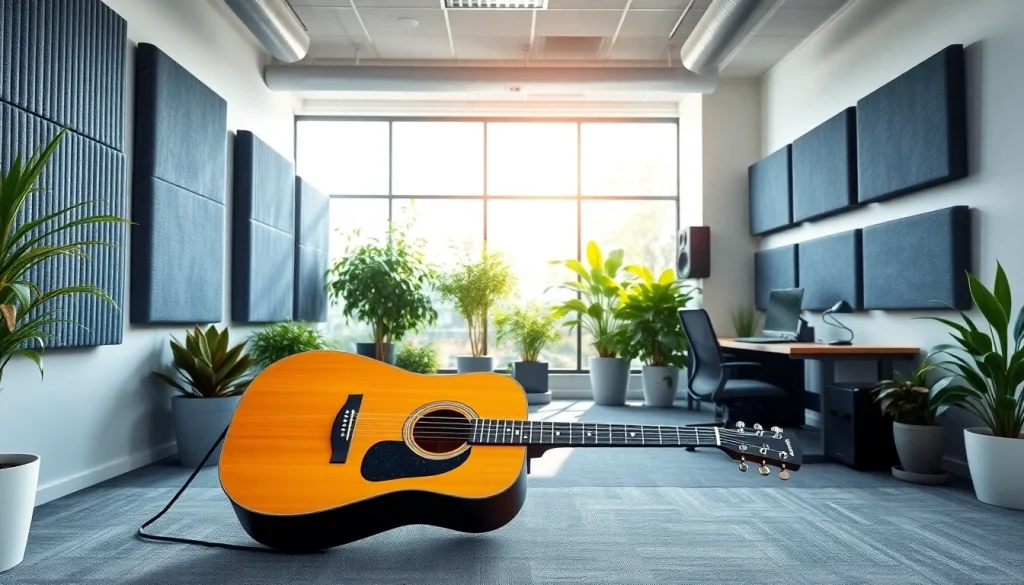
Understanding the Basics of Soundproofing
What is Soundproofing?
Soundproofing refers to the process of making a structure resistant to the passage of sound. Its main objective is to minimize noise transmission between different areas, thereby enhancing comfort in both residential and commercial environments. This process can involve various techniques and materials aimed at reducing noise pollution. Whether it’s for a home theater, office space, or just a quiet bedroom, effective Soundproofing can significantly improve the auditory experience.
Why is Soundproofing Important?
Soundproofing is crucial for several reasons. Firstly, it enhances privacy. In both residential and commercial spaces, sound leaking into or out of rooms can lead to uncomfortable situations. Secondly, it can improve concentration and productivity, especially in workplaces where distractions can hinder performance. Lastly, soundproofing contributes to overall well-being by reducing stress levels associated with unwanted noise, thereby allowing for better relaxation and sleep.
Key Soundproofing Materials
Several materials are commonly used in soundproofing applications. These include:
- Acoustic Panels: Designed to absorb sound waves, preventing them from bouncing around a space.
- Soundproof Drywall: Thicker and denser than regular drywall, it effectively reduces sound transmission.
- Mass Loaded Vinyl (MLV): A heavy, flexible material often used to block sound in walls, ceilings, and floors.
- Insulation: Materials like fiberglass or cellulose that help dampen sound between walls.
- Sealing Products: Caulking and weather stripping to seal gaps and cracks that can allow sound leakage.
Common Soundproofing Methods
Insulation Techniques
Insulation is one of the most effective ways to achieve soundproofing. Traditional insulation materials, such as fiberglass or cellulose, can absorb sound frequencies, reducing echoes and sound transmission. In addition, specialized soundproof insulation products are designed specifically to minimize sound transfer. When installing insulation, it is crucial to cover all areas, including walls, ceilings, and floors, to maximize effectiveness.
Acoustic Panels vs. Soundproofing Drywall
Two popular soundproofing methods are acoustic panels and soundproofing drywall. Acoustic panels are typically made from foam or fabric-covered materials, absorbing high-frequency sounds and improving room acoustics. On the other hand, soundproofing drywall is denser than standard drywall, making it more effective at blocking sound waves. The best choice often depends on the specific soundproofing needs and intended aesthetic of the space.
Utilizing Door and Window Treatments
Doors and windows can be significant sources of sound leakage. Enhancing them with soundproofing treatments is essential. For doors, solid wood or fiberglass doors can reduce sound transmission better than hollow-core doors. Weather stripping and door sweeps can seal gaps effectively. Regarding windows, double-glazing or secondary glazing can minimize outside noise, while heavy curtains or acoustic window treatments can provide additional sound absorption.
Soundproofing for Home Environments
Living Room Soundproofing Solutions
The living room is often the heart of the home, and keeping it peaceful is important. Start by assessing the primary sources of noise, such as windows or thin walls. Installing acoustic panels on walls, adding area rugs, and using heavy curtains can make a notable difference. Additionally, incorporating furniture strategically can help absorb sound and minimize echo, creating a cozy environment.
Bedroom Soundproofing for Better Sleep
A quiet bedroom is key to achieving restful sleep. To soundproof a bedroom, consider using soundproof curtains and ensuring your windows and doors are tightly sealed. Moreover, soundproofing your walls with acoustic panels or soundproof drywall can significantly reduce noise from outside. For further enhancement, adding carpets or rugs can help soften the sound within the room, creating a more serene atmosphere.
Home Office Soundproofing Strategies
For a home office, soundproofing is vital to eliminate distractions and maintain focus. Begin by choosing a room that is naturally quieter. Use soundproof partitions or acoustic panels to section off noisy areas. Additionally, consider using sound-absorbing materials such as carpets, drapes, and even office furniture made from sound-dampening materials. These will help create a conducive workspace perfect for productivity.
Soundproofing for Commercial Spaces
Soundproofing in Open Office Layouts
Open office layouts are known for fostering collaboration, but they can also be chaotic when it comes to noise. To manage sound in these spaces, incorporating sound-absorbing materials throughout the office is essential. Use acoustic ceiling panels, partition walls, and carpets to absorb sounds. Additionally, creating quiet zones with soundproof booths can provide employees a place to focus and have private conversations.
Conference Room Sound Management
Conference rooms require a quiet environment to facilitate effective communication. To maximize sound control, consider installing soundproofing treatments like acoustic panels on walls and ceilings. Adding carpets and soft furnishings will also absorb sound, creating a more professional atmosphere. Furthermore, using technology like soundbars can help optimize audio during video conferences, ensuring that sound quality is clear.
Retail Store Soundproofing Challenges
Retail spaces often face unique soundproofing challenges, such as managing noise from outside and inside the store. To manage exterior noise, double-glazed windows and soundproof doors can be beneficial. Internally, using acoustic panels, soft furnishings, and strategic layout design can reduce noise from transactions and foot traffic. Moreover, creating product displays that also serve as sound barriers can enhance the shopping experience for customers.
Measuring the Effectiveness of Soundproofing
Decibel Levels: Understanding Sound Reduction
To gauge the effectiveness of your soundproofing efforts, it’s essential to understand decibel levels. Decibels measure sound intensity, and a reduction in decibel levels after implementing soundproofing techniques is indicative of successful soundproofing. Aim for significant reductions, as even a decrease of a few decibels can impact sound perception considerably.
Testing Your Soundproofing Solutions
Testing soundproofing involves a combination of subjective and objective measures. Use sound level meters to measure decibel levels before and after soundproofing efforts. Additionally, conducting informal feedback sessions with occupants of the space can help you understand the perceived effectiveness of the soundproofing strategies implemented.
Continuous Improvement and Maintenance
Maintaining soundproofing solutions is vital for long-term effectiveness. Regularly check for wear and tear on soundproofing materials and reinforce areas that may have degraded over time. Furthermore, adapting to changing needs by reassessing soundproofing strategies ensures ongoing performance and satisfaction.
Frequently Asked Questions
What is the best material for soundproofing?
The best materials for soundproofing include acoustic panels, soundproof drywall, and insulation materials designed specifically for sound reduction.
How can I soundproof a room cheaply?
You can soundproof a room economically by using heavy curtains, adding rugs, and sealing windows and doors to minimize sound transfer.
Is soundproofing effective against all types of noise?
Soundproofing is most effective against airborne noise; however, it may not fully eliminate impact noise from footsteps or vibrations.
Do I need professional help for soundproofing?
While some soundproofing solutions can be DIY, professional guidance is recommended for optimal results, especially for complex installations.
Can soundproofing help with privacy?
Yes, soundproofing can enhance privacy by reducing sound transmission, making it ideal for shared spaces or sensitive environments.