
Understanding Soundproofing
In a world filled with constant distractions, creating a peaceful environment at home or work is more important than ever. This is where Soundproofing comes into play. It is not merely a trendy upgrade but a necessity for those seeking solace from unwanted noise. In this comprehensive guide, we will delve deep into the nuances of soundproofing, uncovering its significance, methods, and various materials used in the process.
What is Soundproofing?
Soundproofing is the process of reducing, blocking, or absorbing soundwaves in order to minimize noise pollution between spaces. Whether it’s a bustling street outside your window or the chatter of colleagues in an office, soundproofing techniques strive to create a buffer against disruptive sounds. It involves a mix of construction, design, and sound management strategies to achieve the desired sound isolation.
Importance of Soundproofing
The importance of soundproofing cannot be overstated. Effective soundproofing enhances privacy in residential and commercial spaces, which is vital for personal well-being and productivity. Reducing noise pollution leads to fewer distractions at work, a higher quality of sleep at home, and overall improved mental health. Additionally, soundproofing can increase property values by making spaces more desirable for potential buyers who recognize the benefits of a quiet environment.
Soundproofing vs. Sound Absorption
While often used interchangeably, soundproofing and sound absorption are distinct concepts. Soundproofing focuses on preventing sound from entering or leaving a space. In contrast, sound absorption aims to reduce reverberation and echo within a room. Both techniques can be employed together to achieve optimal acoustic comfort, but understanding their differences is crucial for effective sound management.
Common Soundproofing Materials
The effectiveness of soundproofing largely depends on the materials chosen. Various types of materials excel in different situations, and selecting the right one can significantly enhance your project’s success. Here’s a closer look at some of the most commonly used soundproofing materials:
Acoustic Panels
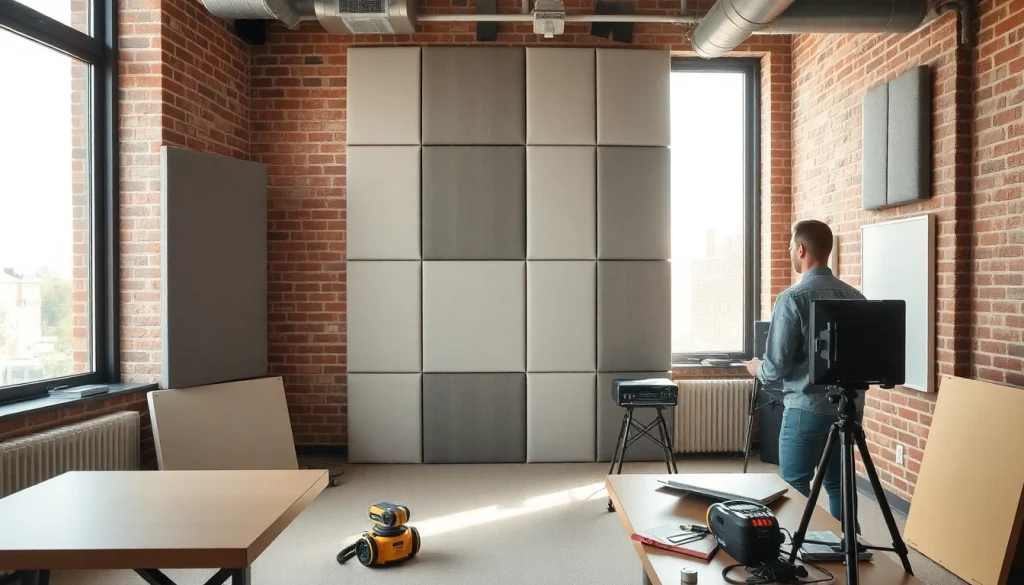
Acoustic panels are soft sound-absorbing materials that can be strategically placed on walls or ceilings. These panels minimize unwanted echoes and improve the overall acoustic quality of a space, making them ideal for recording studios, home theaters, and conference rooms. When selecting acoustic panels, consider their thickness, density, and aesthetics to ensure they complement your existing decor while effectively dampening sound.
Mass Loaded Vinyl
Mass Loaded Vinyl (MLV) is a dense material specifically designed to block sound transmission. Its weight and thickness make it an excellent barrier against sound. MLV can be applied to walls, ceilings, or floors to reduce noise leakage effectively. It is particularly useful in multi-family dwellings or areas where soundproofing is crucial for privacy.
Cork and Fiberglass
Cork is a natural sound-dampening material that provides effective sound insulation while being eco-friendly. It can be used in various forms, including tiles, sheets, and rolls, making it versatile for different applications. Similarly, fiberglass insulation is another option known for its soundproofing qualities. It is commonly used in walls and ceilings to provide excellent thermal performance as well as sound reduction.
DIY Soundproofing Solutions
For those looking to reduce noise without breaking the bank, DIY soundproofing solutions can be highly effective. Here are a few strategies that can help:
Soundproofing Your Home Office
A quiet home office is essential for maintaining focus and productivity. To soundproof your space, consider adding heavy curtains, using area rugs, and incorporating bookshelves filled with books as DIY sound barriers. Additionally, sealing gaps around doors and windows with weatherstripping can greatly reduce outside noise.
Quick Fixes for Apartments
If you live in an apartment, achieving soundproofing may seem challenging due to shared walls. However, quick fixes like soundproofing foam wall panels or using soundproofing curtains can significantly enhance your living experience. Simply hanging quilts or thick tapestries on walls can absorb sound, providing immediate relief from noisy neighbors.
Budget-Friendly Options
Soundproofing doesn’t have to be costly. Simple installations like door sweeps and draft stoppers for windows can help seal spaces where sound escapes. Additionally, filling bookshelves with books or using old furniture as barriers can provide excellent sound absorption at little to no cost.
Professional Soundproofing Services
While DIY solutions are effective, there may be situations requiring professional intervention. Understanding when and how to engage soundproofing experts can ensure optimal results.
When to Hire a Professional
If you are dealing with substantial noise issues or require soundproofing for specific applications like music studios or theaters, it’s best to consult with professionals. Hiring experts ensures that the right materials and techniques are used, tailored to your unique environment.
What to Expect from a Soundproofing Service
When you hire a professional soundproofing service, expect a thorough assessment of your space followed by tailored recommendations. The process may involve sound mapping, identification of problem areas, and strategic installation of soundproofing materials. Be prepared for both indoor and outdoor assessments, depending on your particular needs.
Evaluating Service Providers
Choosing the right soundproofing contractor requires careful evaluation. Look for licensed professionals with good reviews and experience in soundproofing. Obtain multiple quotes and discuss your specific sound issues to ensure they can provide an appropriate solution. A contractor’s approach to problem-solving and their ability to communicate clearly are also essential factors.
Measuring Soundproofing Effectiveness
Once you’ve implemented soundproofing strategies, measuring their effectiveness is essential to assess success. Understanding noise metrics and testing methods will provide insight into how well your soundproofing measures are working.
Sound Transmission Class Ratings
The Sound Transmission Class (STC) rating is a standardized measure indicating how well a building element blocks sound. Materials with higher STC ratings offer better soundproofing capabilities. When considering products, refer to their STC ratings to make informed decisions about your soundproofing investments.
Field Testing Methods
Real-world testing can help provide a clear picture of your soundproofing effectiveness. Methods such as sending sound waves through walls or spaces and measuring the transmission can offer quantifiable results, ensuring that your efforts are paying off. Engaging professionals who specialize in sound testing can yield accurate assessments.
Common Metrics for Success
Common metrics for success in soundproofing include the reduction of decibel levels, enhancing acoustic comfort, and overall satisfaction regarding sound isolation. Regularly evaluating these metrics leads to continuous improvement in addressing noise issues effectively.
Frequently Asked Questions
What is soundproofing?
Soundproofing is the process of reducing sound transmission between spaces to minimize noise pollution and improve acoustic comfort.
Why is soundproofing important?
Soundproofing enhances privacy, reduces distractions, and contributes to better overall well-being and productivity in various environments.
Can I soundproof my home on a budget?
Yes, using materials like curtains, carpets, and DIY acoustic panels can significantly reduce noise without a large investment.
What materials are best for soundproofing?
Common soundproofing materials include acoustic panels, mass loaded vinyl, and dense materials like cork and fiberglass.
When should I hire a professional for soundproofing?
If you need extensive work or have specific requirements, hiring a professional ensures effective soundproofing and optimal results.