
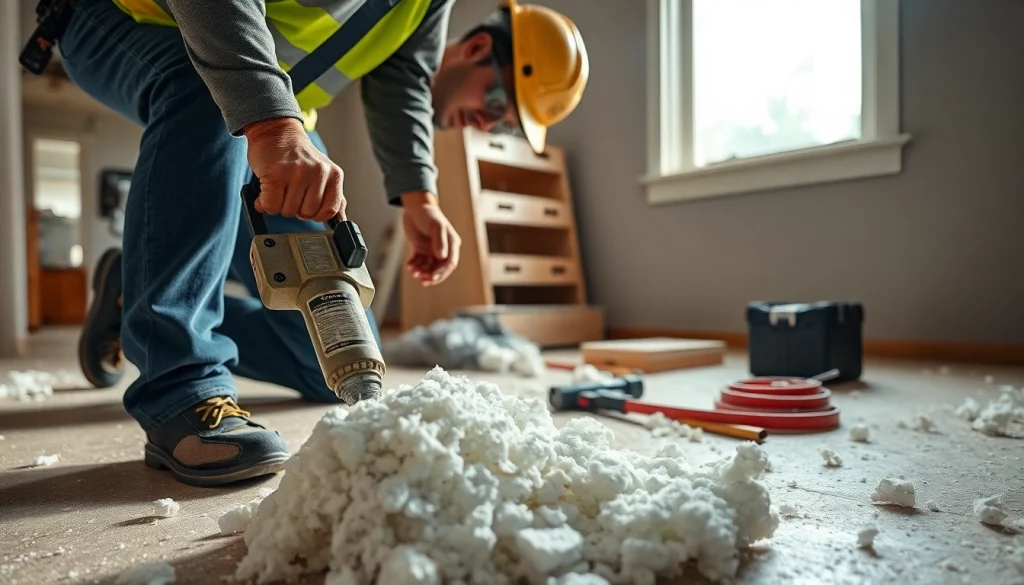
Understanding Spray Foam Removal per m2
What is Spray Foam and Why Remove It?
Spray foam is a versatile insulation material used primarily for sealing gaps and providing thermal insulation in residential and commercial buildings. It’s known for its ability to expand upon application, filling cracks and crevices effectively, which helps reduce energy costs as it keeps homes warmer in winter and cooler in summer. However, there are situations where removal becomes necessary, such as when the foam deteriorates, leads to health problems, or when renovations are planned. Understanding spray foam removal per m2 can help homeowners and contractors plan their projects effectively.
Health and Safety Concerns
While spray foam offers excellent insulation properties, it can pose health risks when applied or removed improperly. The chemicals used in spray foam can emit harmful volatile organic compounds (VOCs) during application or removal. If not handled correctly, these substances might cause respiratory issues, skin irritations, or long-term health effects. Therefore, it is crucial to consider these factors when deciding to remove spray foam, ensuring that appropriate safety equipment and procedures are followed to protect both the workers and the residents of the property.
Cost Considerations of Spray Foam Removal per m2
The cost of spray foam removal per m2 can vary significantly based on several factors, including the complexity of the removal process, the type of surface the foam is adhered to, and the geographic location of the project. Professionals typically charge based on the total area affected, and additional charges may arise from preparation or restoration work needed post-removal. Understanding the potential financial implications can help homeowners make informed decisions regarding their insulation projects.
Preparation for Spray Foam Removal
Gathering Necessary Tools and Materials
Before embarking on the removal process, it is vital to gather all necessary tools and materials. Common items include utility knives, scrapers, protective gear (gloves, goggles, masks), and chemical solvents if needed for softening the foam. Having the right tools at hand can streamline the process and enhance safety. Investing in quality equipment may lead to a more effective removal, further minimizing costs associated with redoing the work.
Assessing the Area Before Removal
A thorough assessment of the area will help identify potential challenges during removal. Look for signs of damage, leaks, or areas where the spray foam is not adhered correctly. It will also be critical to determine if electrical wiring or plumbing might be affected during the removal process. Understanding these factors can help devise a plan that keeps the entire space safe and minimizes potential damage during removal.
Safety Precautions to Take
Safety should always be a priority during spray foam removal. Proper ventilation is essential to reduce exposure to harmful fumes released during the process. Workers should wear adequate protective equipment, including gloves, goggles, and respiratory masks. Additionally, establishing a containment area will help manage debris and minimize the mess during removal. Ensuring that all safety precautions are adhered to will protect both workers and occupants, leading to a much smoother process overall.
Methods for Effective Spray Foam Removal
Mechanical Techniques
Mechanical removal entails physically scraping or cutting the spray foam from the surface. This technique requires caution and precision, particularly with delicate surfaces, as aggressive scraping can lead to damage. Using specific tools designed for spray foam removal can enhance effectiveness and safety. In cases where large sections of foam need to be removed, mechanical techniques offer a straightforward approach that does not rely on chemicals.
Chemical Removal Options
Chemical removal involves using solvents specifically formulated to dissolve spray foam. These products can significantly ease the extraction process by softening the foam, making it easier to scrape away. However, it is crucial to select the appropriate solvent compatible with the surface being treated to avoid damage. Additionally, always follow the manufacturer’s instructions for safe usage, and make certain that the area is well-ventilated during the procedure.
Best Practices for Different Surfaces
Different surfaces require tailored approaches to foam removal. For instance, on drywall, careful scraping is required to avoid tearing the material, while concrete surfaces may tolerate more aggressive mechanical methods. It is crucial to adjust techniques depending on the surface condition and construction materials involved. Additionally, understanding how the spray foam has chemically interacted with the surface can guide the method of removal, ensuring effective and clean results.
Post-Removal Cleanup and Restoration
Cleaning the Work Area
Once the spray foam has been successfully removed, the area must be cleaned thoroughly. This involves vacuuming up debris, using a damp cloth to wipe down surfaces, and ensuring that any residue from chemical solvents is appropriately disposed of according to safety regulations. A clean workspace not only improves safety but also prepares the area for any repairs or restoration needed post-removal.
Repairing Surfaces After Removal
After the completion of the removal process, surfaces may often require repair. This could involve patching up drywall, repainting areas that were impacted, or addressing any damage caused during removal. Understanding the necessary steps for restoration can help homeowners achieve a professionally finished look. Proper restoration ensures that the integrity of the building is maintained while also enhancing aesthetic appeal.
Preventative Measures for Future Use
Implementing preventative measures can help avoid the need for future spray foam removal. Proper insulation installation, regular inspections, and ensuring that spray foam is applied correctly can mitigate potential issues down the road. Additionally, educating residents about the signs that indicate deterioration can promote early intervention, thus extending the lifespan of the insulation and avoiding costly removal projects.
Frequently Asked Questions About Spray Foam Removal
1. How long does spray foam removal take?
The duration for spray foam removal varies based on the area size, typically taking a few hours to a couple of days.
2. Is spray foam removal messy?
Yes, it can be messy, but proper preparation and containment measures can minimize this.
3. Can homeowners remove spray foam themselves?
While possible, it’s recommended to hire professionals to ensure safety and effectiveness.
4. What are the signs that spray foam needs to be removed?
Signs include visible damage, leaks, or poor insulation performance causing energy loss.
5. What is the average cost of spray foam removal per m2?
The cost varies widely based on location and project complexity; consulting professionals for estimates is wise.