
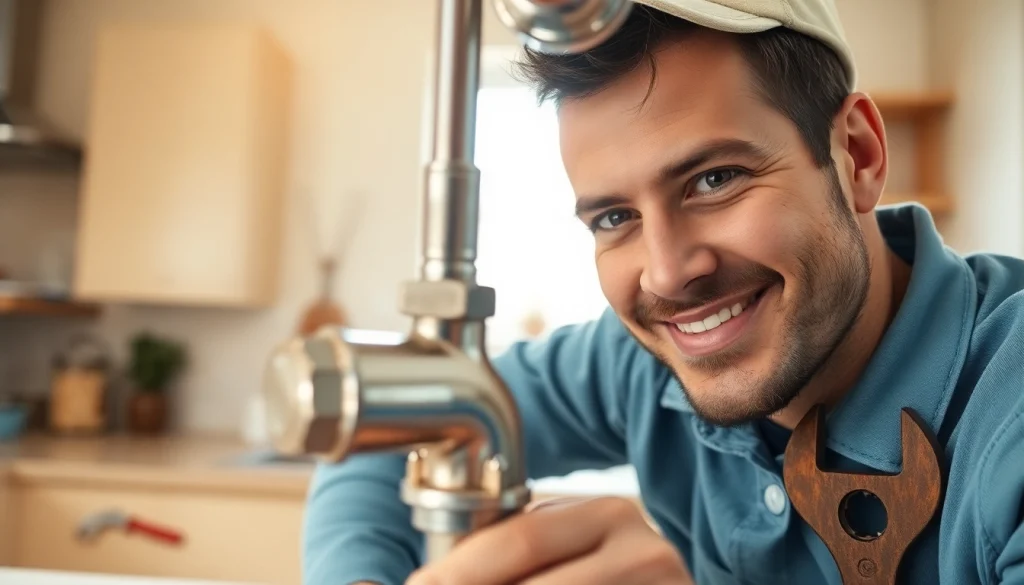
Understanding the Role of a Plumber near me
Plumbers are essential service providers who ensure that our water and drainage systems function efficiently. When malfunction occurs, it often leads to chaos—such as water damage or sanitation issues—which highlights the importance of having a reliable Plumber near me. Understanding the diverse responsibilities of a plumber enables homeowners to appreciate the value of professional plumbing services.
What Does a Plumber Do?
A plumber’s responsibilities encompass the installation, maintenance, and repair of plumbing systems. The work can range from simple tasks, such as fixing a leaky faucet, to complex undertakings like installing comprehensive piping systems in new constructions. Typical duties include:
- Installing water supply lines, pipes, and fixtures
- Repairing or replacing damaged plumbing systems
- Diagnosing plumbing issues using advanced tools
- Conducting routine inspections and regulatory checks
- Providing emergency plumbing services
Each of these duties requires a deep understanding of plumbing codes and safety regulations, ensuring that all systems operate correctly and meet local standards.
Common Plumbing Issues
Plumbing problems can arise unexpectedly at any time, affecting homes and businesses alike. Some of the most frequent issues include:
- Clogged drains or toilets
- Leaky or burst pipes
- Water heater malfunctions
- Low water pressure
- Sewer line blockages
Understanding these common issues can help homeowners recognize when it’s time to call a professional plumber near them for assistance. Addressing these problems swiftly can prevent more significant damage and costly repairs down the road.
How to Assess Plumbing Needs
When assessing plumbing needs, it’s essential to perform a thorough evaluation of your current plumbing system. This includes:
- Checking for visible leaks or water damage
- Monitoring water pressure and flow rates
- Inspecting fixtures and appliances for drips or deteriorations
- Assessing the age and condition of pipes and fixtures
In addition to visual inspections, regular professional assessments can uncover hidden issues that may worsen over time, ensuring your plumbing system remains in optimal working condition.
How to Search for a Plumber near me
Effective Online Research Strategies
When searching for a plumber near you, leveraging modern technology can save time and provide valuable insights. Start by utilizing search engines and online directories. Use specific keywords like “Plumber near me” or “local plumbing services.” Websites such as Google Maps can also help you find nearby professionals. However, it’s essential to gather more information about potential candidates through their business websites or social media pages.
Reading Reviews and Testimonials
Reviews and testimonials play a crucial role in assessing the reliability of a plumber. Check customer feedback on platforms like Yelp, Angie’s List, or Google Reviews. Look for trends in the comments regarding:
- The quality of work
- Timeliness and professionalism
- Communication clarity
- Overall customer satisfaction
Bear in mind that a few negative reviews shouldn’t be a dealbreaker, especially if the majority are positive. Instead, focus on how the plumber responds to criticism or resolves issues.
Asking for Recommendations
Personal recommendations are often the most trustworthy source for finding a reliable plumber. Don’t hesitate to ask friends, family, or coworkers about their experiences with local plumbing services. Inquiring about recent hires will give you firsthand insights into the quality and reliability of their work, which is often invaluable compared to online reviews.
Evaluating a Plumber’s Qualifications
Licensing and Certifications
Before hiring a plumber, verify that they hold the necessary licenses and certifications as mandated by local regulations. A licensed plumber has undergone the required training and passed exams to confirm their expertise. These credentials assure you that the professional possesses the knowledge and skills to perform plumbing tasks safely and effectively.
Experience and Specializations
Experience is a critical factor in evaluating a plumber’s qualifications. Inquire about how long they’ve been in business and whether they specialize in particular types of plumbing work, such as residential, commercial, or industrial plumbing. Specialists in specific areas are usually better equipped to handle unique plumbing systems or issues.
Insurance and Warranties
Ensuring that your plumber has liability insurance is vital for protecting yourself from financial responsibility in case of accidents or property damage during the job. Additionally, a reputable plumber should offer warranties for their work. These warranties can provide peace of mind that if something goes wrong within a specified period, the plumber will rectify the issue at no extra charge.
Cost of Hiring a Plumber near me
Typical Pricing Structures
The cost of hiring a plumber can vary widely depending on several factors, including geographical location, project complexity, and time of service. Typically, plumbers may charge a flat fee for specific services or an hourly rate. Hourly rates can range from $50 to $150 or more. It’s essential to ask for pricing details upfront to avoid unexpected expenses later on.
Understanding Estimates and Quotes
When requesting plumbing services, obtain detailed estimates or quotes from several professionals. An estimate should include the scope of work, materials needed, labor costs, and any additional fees. This transparency allows you to compare prices fairly and choose the best option within your budget.
Budgeting for Plumbing Services
Budgeting for plumbing services requires foresight and planning. Establish a plumbing maintenance fund as part of your household budget to cover sudden repairs or routine services. Additionally, being proactive about regular inspections and maintenance can prevent larger, costlier issues from arising, ultimately saving you money in the long run.
Maintaining Your Plumbing System
Regular Inspection and Maintenance Tips
Regular maintenance of your plumbing system can extend its lifespan and prevent costly repairs. Key maintenance tasks include:
- Regularly checking for leaks and signs of wear
- Flushing water heaters to prevent sediment buildup
- Insulating pipes in colder months to prevent freezing
- Removing debris from drains and gutters
Scheduling annual professional inspections allows plumbers to identify and address potential issues before they escalate.
Identifying Signs of Trouble
Being able to identify early signs of plumbing trouble can save you from a potential disaster. Common indicators include:
- Unexplained increases in water bills
- Water stains on walls or ceilings
- Mold or mildew growth in damp areas
- Persistent clogs despite regular cleaning
Paying attention to these signs allows you to act quickly, enlisting help from a plumber before the situation worsens.
DIY Tips vs. Professional Help
While some plumbing issues may lend themselves to DIY solutions, it’s essential to know your limits. Simple tasks, such as unclogging a drain or replacing a faucet, are manageable for many homeowners. However, complex problems requiring specialized knowledge—like plumbing renovations or sewer repairs—should be left to professionals. Know when to call an expert rather than shake hands with disaster.
Frequently Asked Questions
How can I find a reliable plumber near me?
Start by checking online reviews, asking for recommendations from friends or family, and comparing their qualifications. Look for licensed professionals with positive feedback.
What common issues can a plumber near me help with?
A plumber near you can assist with clogged drains, leaks, pipe installations, and general maintenance of plumbing systems in your home or business.
How much does it typically cost to hire a plumber?
The cost of hiring a plumber varies based on location and job complexity, but you can expect hourly rates between $50-$150, plus potential materials fees.
What should I ask before hiring a plumber?
Inquire about their experience, licensing, insurance, and warranty policies. It’s also essential to ask for a detailed estimate before work begins.
How often should I have my plumbing inspected?
It’s wise to have your plumbing inspected annually or at least every few years to catch issues early and maintain overall system health.