
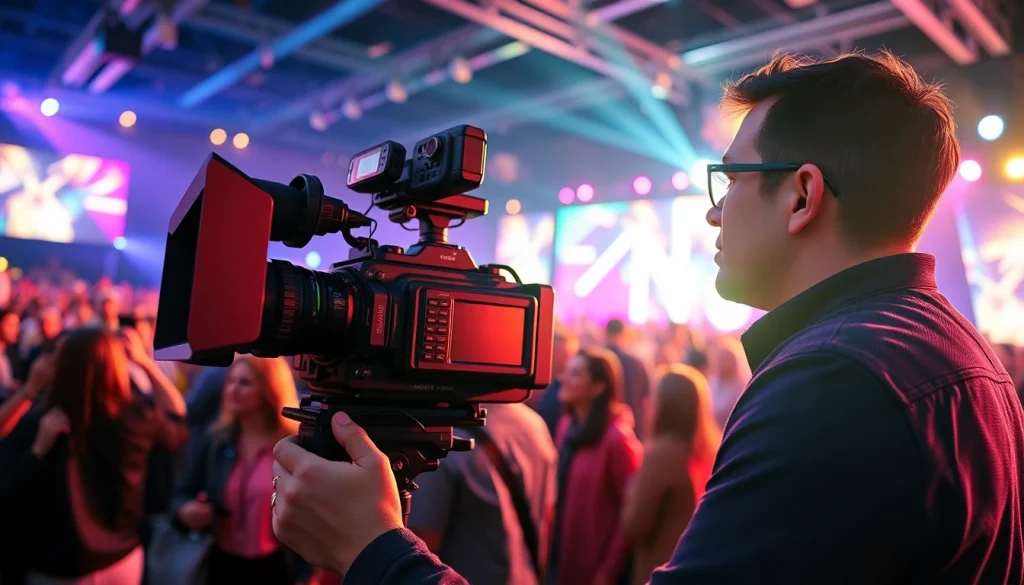
Understanding Professional Video Production
Definition and Importance of Professional Video Production
Professional video production refers to the comprehensive process of creating video content, employing technical skills and artistic vision to produce high-quality output. In a digital era dominated by visual narratives, this art form has become pivotal for businesses aiming to convey their message effectively. The efficiency and quality of professional video production can significantly impact brand image, customer trust, and engagement, making it a powerful tool for marketing and storytelling.
The Role of Video in Modern Marketing
In today’s marketing landscape, video content has emerged as one of the most effective ways to reach and engage audiences. Consumers are drawn to visual content, with studies revealing that videos receive 1200% more shares than text and images combined. Incorporating Professional Video Production into marketing strategies enables brands to showcase their products, tell their stories, and build emotional connections with viewers in an engaging and memorable manner.
Types of Videos in Professional Video Production
Professional video production encompasses various formats, each serving different marketing objectives. Common types include:
- Corporate Videos: Tailored for business communication, showcasing brand values, missions, or company culture.
- Commercials: Short, promotional videos aimed at advertising products or services.
- Training Videos: Educational content crafted for skill development and employee onboarding.
- Testimonial Videos: Featuring satisfied customers sharing their positive experiences to build trust.
- Event Coverage: Capturing noteworthy moments during corporate events, seminars, or conferences.
Key Elements for Successful Professional Video Production
Pre-Production Planning Steps
Effective professional video production begins long before the cameras start rolling. Pre-production is critical and involves:
- Concept Development: Brainstorming the video’s goal, message, and target audience.
- Scripting: Writing a script that outlines dialogue, visuals, and overall flow.
- Storyboarding: Creating visual representations for scenes to plan the composition.
- Budgeting: Establishing a budget that includes equipment, talent, and locations.
- Scheduling: Coordinating a timeline for shooting to ensure all elements come together seamlessly.
Production Techniques and Equipment
The production phase is where the planning is translated into action. Key techniques and equipment involved include:
- Cameras: High-definition cameras are essential for capturing crisp visuals.
- Lighting: Proper lighting setups enhance video quality, setting the mood and visibility.
- Sound Equipment: Quality audio recording devices ensure clarity in dialogue and soundscapes.
- Directing: The director oversees the creative aspects, guiding actors and crew.
- Camera Angles and Movement: Utilizing dynamic shots and angles to create a more engaging experience.
Post-Production Editing and Its Impact
Post-production is where the magic truly happens. It involves editing footage, adding effects, and finalizing the video for release. Crucial aspects include:
- Editing Software: Professional software like Adobe Premiere Pro and Final Cut Pro are commonly used for editing.
- Color Grading: Adjusting color tones to enhance visual appeal and emotional impact.
- Sound Design: Incorporating soundtracks, sound effects, and voiceovers to elevate the narrative.
- Final Review: Conducting assessments to ensure all elements align with the original vision.
Measuring Success in Professional Video Production
Key Performance Indicators (KPIs) to Track
Measuring the effectiveness of video content is essential for understanding its impact. Key performance indicators (KPIs) include:
- View Count: The number of times a video has been viewed.
- Engagement Rate: Metrics such as likes, shares, and comments to gauge viewer interaction.
- Conversion Rate: The percentage of viewers taking a desired action, such as clicking a link.
- Watch Time: The total amount of time viewers spend watching the video, indicating content engagement.
Analyzing Audience Engagement and Feedback
Post-launch, gathering feedback and analyzing engagement metrics provides valuable insights into the video’s performance. Effective strategies include:
- Surveys and Polls: Gathering viewer opinions directly helps improve future videos.
- Comments Analysis: Reading viewer comments can highlight strengths and areas for improvement.
- Analytics Tools: Platforms like Google Analytics and social media insights help track viewer activities.
Adjustments and Revisions Based on Metrics
Utilizing performance data to make adjustments ensures that the content meets audience expectations. Revisions may involve tweaking aspects like:
- Video Length: Shortening or lengthening content based on viewer retention metrics.
- Content Focus: Shifting the narrative or visuals to better align with audience interests.
- Distribution Strategy: Modifying how and where the video is shared based on performance data.
Common Challenges Encountered in Professional Video Production
Budget Overruns and Resource Management
Managing a video production budget can be challenging. Common pitfalls include underestimating costs and unexpected expenses. Effective strategies involve meticulous budgeting, continuously tracking expenses, and allocating resources flexibly to adapt to changing needs during production.
Navigating Client Expectations
Aligning client expectations with the creative process is crucial. Misunderstandings can lead to dissatisfaction. The best approach is transparent communication, involving clients in the conceptual and review phases to ensure their vision is realized while managing realistic outcomes.
Technical Issues During Production
Technical challenges are common in video production. These can range from equipment failure to unforeseen environmental conditions. To mitigate risks, it’s vital to conduct thorough pre-shoot checks, have backup equipment on standby, and continuously monitor production conditions during shoots.
Future Trends in Professional Video Production
Emerging Technologies and Techniques
The landscape of professional video production is constantly evolving, aided by technology. Innovations such as 4K and 8K filming, drone footage, and virtual production techniques enhance storytelling abilities and viewer engagement drastically.
The Rise of Virtual and Augmented Reality
Virtual reality (VR) and augmented reality (AR) are reshaping how audiences experience content. These immersive technologies allow viewers to interact with video elements, fostering a deeper connection between the audience and the narrative. As these technologies become more accessible, professional video production will continually adapt to incorporate them.
Shifts in Consumer Behavior and Content Preference
Consumer behavior continues to shift towards experiential and personalized content. As audiences become more discerning, they favor authenticity, relatability, and interactive experiences. Producers must keep pace with these trends by tailoring content to meet evolving viewer preferences and exploring new formats like live streaming and interactive videos.
FAQs
What is the typical cost of Professional Video Production?
The cost of Professional Video Production can vary widely based on project complexity, duration, and resources required. Simple projects may cost a few thousand dollars, while more comprehensive video campaigns can exceed tens of thousands.
What are the benefits of hiring a professional videographer?
Hiring a professional videographer ensures high-quality visuals, expert storytelling, and polished production value. Professionals bring technical skills and freshness, leading to a more engaging final product that resonates with audiences.
How long does the Professional Video Production process take?
The duration of the Professional Video Production process can range from a few weeks to several months, depending on the project’s size and complexity, including pre-production planning, shooting, and post-production editing.
What types of videos can be produced professionally?
Professionally produced videos can include corporate videos, commercials, event recordings, training videos, animated content, and testimonials, tailored to meet various marketing needs.
How do I choose the right video production company?
When choosing a video production company, consider their portfolio, client testimonials, specialization in your industry, creative approach, and communication fit to ensure alignment with your project’s objectives.