
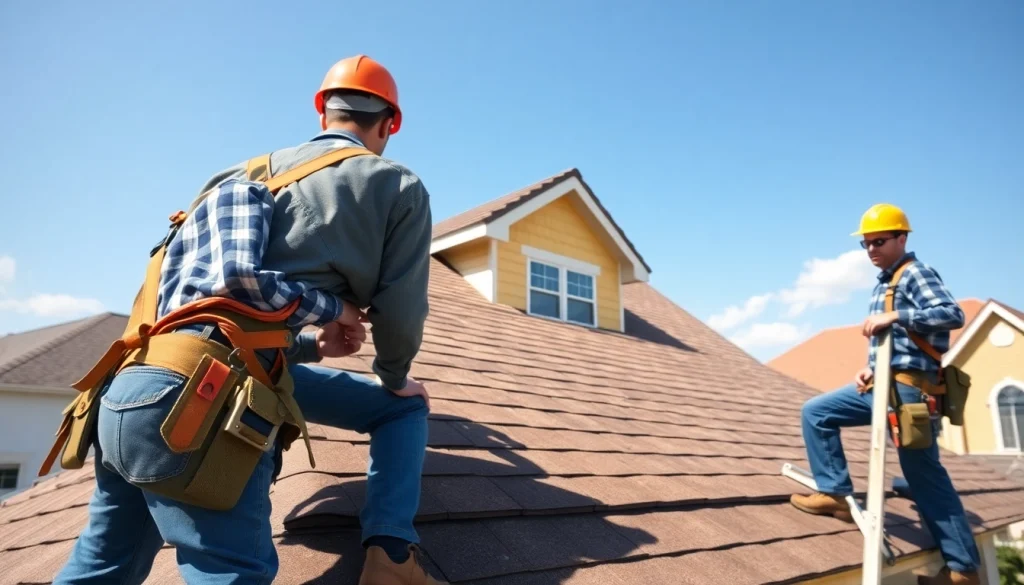
Understanding Roofing Company Services
When it comes to maintaining your home, few things are as crucial as a well-structured roof. This component not only influences the aesthetic appeal of your home but also ensures safety from the elements. Engaging a reputable Roofing company can make all the difference in your home’s longevity and value. Below, we will explore the extensive services provided by roofing companies and why it is paramount to prioritize professional help.
Types of Roofing Services
A comprehensive roofing company offers a variety of services tailored to meet the diverse needs of homeowners. These services typically include:
- Roof Installation: Whether you are building a new home or replacing an old roof, professional installation guarantees a secure fit that meets manufacturer specifications.
- Roof Repair: From dealing with minor leaks to significant storm damage, roof repair services are essential for maintaining structural integrity.
- Roof Maintenance: Regular maintenance checks can prolong the lifespan of your roof, helping to identify issues before they escalate into costly repairs.
- Roof Replacement: Sometimes, a roof has reached the end of its life cycle, necessitating a complete replacement to ensure safety and efficiency.
- Inspection Services: Comprehensive inspections help in recognizing potential problems, preparing you for any required maintenance or repairs.
Importance of Professional Roofing
Hiring a professional roofing company is crucial for multiple reasons:
- Expertise: Experienced roofers understand the intricacies of roofing systems and can provide services that adhere to local building codes and standards.
- Quality Material: Professionals have access to high-quality materials that may not be available to the average homeowner, ensuring durability and longevity.
- Warranty: Most roofing companies offer warranties on materials and workmanship, giving you peace of mind for years to come.
- Safety: Roofing work can be dangerous; professionals are trained to follow safety protocols, reducing the risk of accidents.
Choosing the Right Roofing Company
Choosing the right roofing company can be overwhelming, but certain key factors can guide your decision:
- Research: Look for companies with a solid reputation and positive reviews from previous clients.
- Credentials: Ensure the company is licensed and insured to protect yourself from any liability.
- Quotes: Obtain detailed quotes from multiple companies; this will help you understand market rates and options available.
- Communication: A good roofing company should communicate clearly, answering all your questions effectively.
Identifying Your Roofing Needs
Understanding your roofing needs is essential before involving a professional. This knowledge allows you to better communicate your expectations and requirements, resulting in an efficient roofing project.
Assessing Roof Damage
One of the first steps in identifying your roofing needs is to assess the current condition of your roof:
- Visual Inspection: Look for missing shingles, rust, or discoloration that can indicate underlying problems.
- Water Damage: Check for stains on ceilings or walls—these signs often suggest leaks that require immediate attention.
- Age of Roof: Knowing the age of your roof can help estimate whether repairs are sufficient or if a full replacement is inevitable.
Identifying Roof Types
Understanding the different types of roofing systems can influence your choice of materials and service:
- Asphalt Shingles: Popular due to affordability and ease of installation.
- Metal Roofing: Known for its longevity and energy efficiency.
- Tile Roofing: Offers a distinct aesthetic and excellent durability, but can be heavier and more expensive.
Budget Considerations for Roofing
Budgeting for a roofing project involves understanding the various factors that contribute to the total cost:
- Material Choices: The type of roofing material impacts cost significantly—investing in high-quality materials can provide better long-term value.
- Labor Costs: Quality labor can be a significant portion of your budget; don’t compromise on hiring professionals for installation.
- Hidden Costs: Additional expenses, such as permits or unexpected repairs upon removal of the old roof, should be anticipated.
High-Quality Roofing Materials
The choice of material is one of the single most important decisions in any roofing project. The right material not only contributes to the overall aesthetics but also affects longevity and energy efficiency.
Common Roofing Materials Explained
Common roofing materials include:
- Asphalt Shingles: They are the most popular due to cost-effectiveness and versatility.
- Wood Shakes: Offer natural beauty but require regular maintenance.
- Slate: Extremely durable and fire-resistant, yet expensive and difficult to install.
- EPDM Rubber: Ideal for flat roofs, highly resistant to weathering.
Benefits of Upgrading Materials
Upgrading to high-quality roofing materials can yield significant long-term benefits:
- Energy Efficiency: Better insulation can reduce heating and cooling costs.
- Durability: Premium materials often have longer lifespans, which could save you money in the long run.
- Aesthetics: High-quality materials can improve curb appeal, potentially increasing property value.
Sustainability in Roofing Choices
With growing environmental concerns, many homeowners are turning to sustainable roofing options:
- Recycled Materials: Utilizing recycled asphalt shingles or rubber can reduce waste.
- Solar Roofing: Integrating solar panels can provide renewable energy and lower energy bills.
- Cool Roofs: Designed to reflect more sunlight and absorb less heat, these roofs reduce energy costs.
Roof Installation and Maintenance
Proper installation and maintenance are crucial for ensuring the longevity and safety of your roof.
Steps in the Roof Installation Process
The installation process generally involves several key steps:
- Preparation: This includes obtaining necessary permits and preparing the worksite.
- Old Roof Removal: If applicable, the existing roof must be stripped to ensure a secure application of new materials.
- Deck Inspection: The roof deck should be inspected for any damage before new materials are applied.
- Installation: properly laying shingles, tiles, or other roofing materials following manufacturer guidelines.
- Final Inspection: A thorough inspection must be performed to ensure everything is installed correctly.
Regular Maintenance Practices
Regular maintenance is vital to extend the life of your roof. Recommended practices include:
- Seasonal Inspections: Check your roof after major storms and at the start and end of each season.
- Gutter Cleaning: Keeping gutters free from debris can prevent water damage.
- Moss and Algae Removal: Regularly removing these can prevent damage to roofing material.
Long-term Care for Your Roof
Investing in your roof pays off over time. Consider these long-term care tips:
- Professional Inspections: Hire professionals at least every few years to catch issues early.
- Sealing and Coating: Sealing areas prone to leaks can offer extra protection.
- Keep Trees Trimmed: Overhanging branches can damage your roof and invite pests.
FAQs About Your Roofing Company Needs
How do I know if I need a new roof?
Signs include leaks, curling shingles, and age over 20 years. A roof inspection can confirm needs.
What factors affect roofing installation costs?
Costs vary based on materials, roof size, slope, labor, and any additional features like vents.
How long does a roof installation take?
Typically, a roof installation can take one to seven days depending on size and weather conditions.
What warranties do roofing companies offer?
Most companies provide warranties on materials and workmanship, ranging from 5 to 25 years.
How can I maintain my roof?
Regular inspections, cleaning gutters, and addressing damage promptly can extend your roof’s lifespan.