
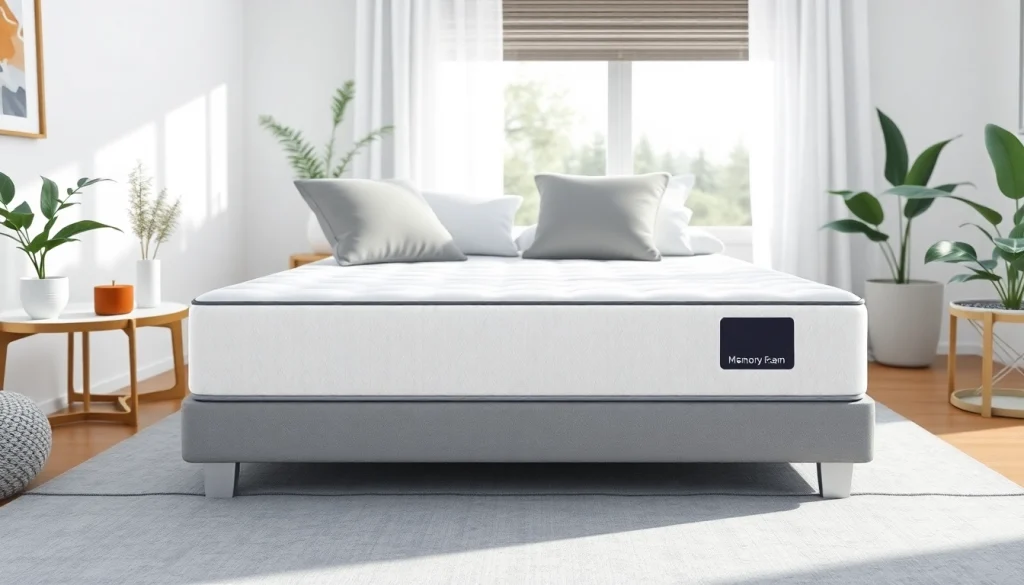
Understanding Memory Foam Mattress Technology
What is Memory Foam?
Memory foam is a unique material originally developed by NASA to improve seat cushioning and crash protection for astronauts. Its composition allows it to conform to the body’s shape, redistributing weight evenly while supporting the spine and joints. It comprises viscoelastic foam, which reacts to body heat and pressure, softening and adjusting to the sleeper’s contours. This technology has transformed the bedding industry, leading to the widespread popularity of the memory foam mattress.
Key Features of Memory Foam Mattress
One of the defining characteristics of a memory foam mattress is its ability to contour. This feature allows for personalized comfort, helping to reduce motion transfer, which is particularly beneficial for couples. Additionally, memory foam mattresses are designed to be durable, and many come with a temperature-sensitive feature that can help regulate heat throughout the night—offering a comforting sleep environment. Also noteworthy is the hypoallergenic quality of the material, making it resistant to common allergens.
How Memory Foam Works for Sleep
The functionality of a memory foam mattress lies in its responsiveness to temperature and weight. When a body lays on it, the warmth generates a softening reaction within the foam, allowing it to mold to the sleeper’s contours. Once the pressure is removed, the foam gradually regains its original shape. This innovative feature is instrumental in supporting the body’s natural alignment during sleep, contributing to more restful and recuperative sleep cycles. For those seeking effective solutions to sleep issues, a memory foam mattress could be game-changing.
Benefits of a Memory Foam Mattress
Enhanced Comfort and Support
The comfort offered by a memory foam mattress is unmatched due to its ability to conform to body shapes. This ensures that every part of the sleeper’s body is supported evenly, significantly enhancing comfort. Studies have shown that users report decreased levels of discomfort due to pressure points when sleeping on a memory foam mattress compared to traditional spring mattresses. This increase in comfort directly correlates to better sleep quality and reduced instances of waking up with aches and pains.
Pressure Relief Capabilities
Memory foam is renowned for its pressure-relieving properties. It distributes body weight evenly, which can alleviate stress on joints and pressure points. This feature is especially beneficial for individuals suffering from chronic pain issues, including arthritis or fibromyalgia. Many users see a marked improvement in their overall well-being as they enjoy the restorative sleep that a memory foam mattress can provide.
Improved Spinal Alignment
Proper spinal alignment is critical for preventing back pain and ensuring restful sleep. Memory foam mattresses provide balanced support that helps maintain the natural curvature of the spine while sleeping. By cradling the body in a neutral position, these mattresses support an optimal sleep posture so that many sleepers wake up feeling refreshed and free of discomfort.
Choosing the Right Memory Foam Mattress
Thickness and Density Considerations
The thickness and density of memory foam mattresses significantly affect their performance. Thicker mattresses tend to offer better support and comfort, particularly for heavier individuals. Density, on the other hand, influences how well the mattress contours to the body. Higher-density foams (4-5 pounds per cubic foot) generally provide improved durability and support compared to lower-density options.
Firmness Levels Explained
Firmness is a critical factor when choosing a memory foam mattress. The firmness scale typically ranges from soft to firm. Soft mattresses provide more cushioning and contouring, which is advantageous for side sleepers. Firmer models offer increased support and are often better suited for back and stomach sleepers. It’s essential to choose a mattress that aligns with your preferred sleeping position to ensure optimal comfort and support.
Personal Preferences and Sleep Positions
When selecting a memory foam mattress, personal preferences play a significant role in overall satisfaction. Factors such as individual sleep styles, desired firmness, and temperature sensitivity can all impact the choice. Side sleepers tend to gravitate towards softer options for pressure relief, while back and stomach sleepers may prefer firmer mattresses that keep the body in alignment. Evaluating these factors can lead to significant improvements in sleep quality.
Caring for Your Memory Foam Mattress
Cleaning Tips and Maintenance
To prolong the lifespan of a memory foam mattress, proper cleaning and maintenance are crucial. Regularly rotating the mattress avoids uneven wear and helps retain its shape. Spot-cleaning stains immediately with mild soap and water can help prevent permanent damage. Additionally, using a mattress protector can safeguard against spills and potential allergens.
Preventing Allergens and Dust Mites
Memory foam mattresses are relatively resistant to dust mites and other allergens due to their dense composition. To enhance this protection, regular vacuuming or using a cover can further minimize allergen accumulation. It’s also advisable to keep the sleeping environment clean, ensuring proper airflow and low humidity levels to discourage dust mites.
Extending the Lifespan of Your Mattress
Proper care can significantly affect the lifespan of memory foam mattresses, which typically range from 7 to 10 years with good maintenance. Avoid jumping on the bed, and ensure adequate support from a sturdy foundation or frame. Regularly check for signs of wear, such as sagging or indents, and consider rotating it every few months.
Frequently Asked Questions About Memory Foam Mattress
What are the benefits of a memory foam mattress?
A memory foam mattress offers enhanced comfort through contouring, pressure relief on joints, and improved spinal alignment, resulting in better sleep quality.
How long does a memory foam mattress last?
With proper care, a memory foam mattress typically lasts between 7 to 10 years, depending on the quality of materials and usage.
Can a memory foam mattress cause overheating?
Some memory foam mattresses can retain heat. However, many modern options include cooling gel layers or breathable fabrics to mitigate this issue.
Is a memory foam mattress suitable for all sleeping positions?
Yes, memory foam mattresses can accommodate all sleeping positions. Choosing the right firmness level is key to ensuring proper support.
How do I maintain my memory foam mattress?
Regularly clean spills immediately, use a mattress protector, and rotate the mattress periodically to maintain its shape and comfort.